What exactly is an alcohol craving?
An alcohol craving is an intense, often intrusive urge to drink that arises from the interaction between memory, emotion, environmental cues, and neurological reward circuitry. When you drink regularly, your brain forms strong associative memories linking alcohol to relief, pleasure, or social connection. The brain's limbic system — particularly the amygdala and nucleus accumbens — stores these associations with emotional intensity. When a cue associated with drinking is encountered (a bar, a particular time of day, a stressful situation, the smell of wine), the brain activates these memories and generates a powerful motivational signal to seek alcohol. This signal can feel like a physical pull, a racing thought, an emotional urgency, or a kind of mental static that is hard to think past. Cravings are not a sign that you want to drink — they are a sign that your brain has been conditioned to associate certain stimuli with alcohol. That conditioning can be unlearned.
How long do alcohol cravings last?
Individual cravings, if not acted upon, typically peak and subside within fifteen to thirty minutes. Research using experience-sampling methods — where people report craving intensity in real time — consistently shows this peak-and-fade pattern. The overall frequency and intensity of cravings typically follows a longer arc. In the first two to four weeks of sobriety, cravings are usually most frequent and intense. By months two to three, most people notice they are less frequent and easier to manage. By six months, cravings for many people are rare, milder, and much more manageable. They do not necessarily disappear completely — exposure to powerful cues or periods of high stress can trigger cravings even years into recovery — but they become significantly less dominant over time. The crucial insight is that every craving you ride out without drinking reinforces new neural pathways that weaken the craving response. Each one you survive is productive work, even when it does not feel that way.
What is urge surfing and how do I do it?
Urge surfing is a mindfulness-based technique developed by psychologist Alan Marlatt for managing addictive cravings without either fighting them or giving in to them. The metaphor is intentional: a craving, like a wave, will rise and fall of its own accord if you do not try to fight it or accelerate it. To practise urge surfing, when a craving hits, find somewhere comfortable to sit or stand. Close your eyes if that helps. Direct your attention to where you feel the craving in your body — your chest, your stomach, your throat, your hands. Observe the physical sensation without judgment. Notice its intensity. Notice whether it is constant or pulsing. Breathe into it. Watch it shift and move. Do not tell yourself you cannot have a drink. Instead, tell yourself: "I am noticing a craving. It is here. It will pass." Continue observing for several minutes. Most people find the craving loses intensity within ten to twenty minutes of practising this. It does not always feel easy, particularly early in recovery, but it becomes more effective with practice.
What are the most common triggers for alcohol cravings?
Triggers fall into several broad categories. Environmental triggers include places associated with drinking — pubs, parties, certain rooms in your home, passing a particular off-licence. Social triggers include specific people you used to drink with, situations where alcohol is present, or events that you have historically associated with drinking (football matches, Friday afternoons, holidays). Emotional triggers are among the most powerful — anxiety, boredom, loneliness, frustration, sadness, and even positive emotions like excitement or celebration can trigger cravings if they have been reliably associated with drinking. Internal physical triggers include hunger, fatigue, and pain — physical states that lower your threshold for craving. Sensory triggers include the sight of alcohol, the sound of a bottle opening, or the smell of beer or wine. Keeping a craving journal in the first weeks of recovery — noting when cravings occur, their intensity, and what preceded them — helps you identify your personal trigger landscape so you can plan responses in advance.
What is the HALT method for managing cravings?
HALT is an acronym widely used in recovery communities that stands for Hungry, Angry, Lonely, and Tired. These four physical and emotional states are among the most consistent amplifiers of alcohol cravings. When you notice a craving arising, before anything else, run through the HALT checklist. Are you hungry? Eat something. Blood sugar dysregulation significantly increases craving intensity. Are you angry or frustrated? Name the emotion. Discharge some of the physical energy it creates through exercise or journalling. Are you lonely or disconnected? Call someone. Connection is one of the most reliable antidotes to craving. Are you tired? Rest if you can. Exhaustion degrades every cognitive function, including your ability to tolerate discomfort. The HALT method works because many cravings are proxies — they are not really about alcohol, they are about an unmet fundamental need. Addressing the actual need often dissolves the craving without any direct engagement with it.
Does exercise really help with alcohol cravings?
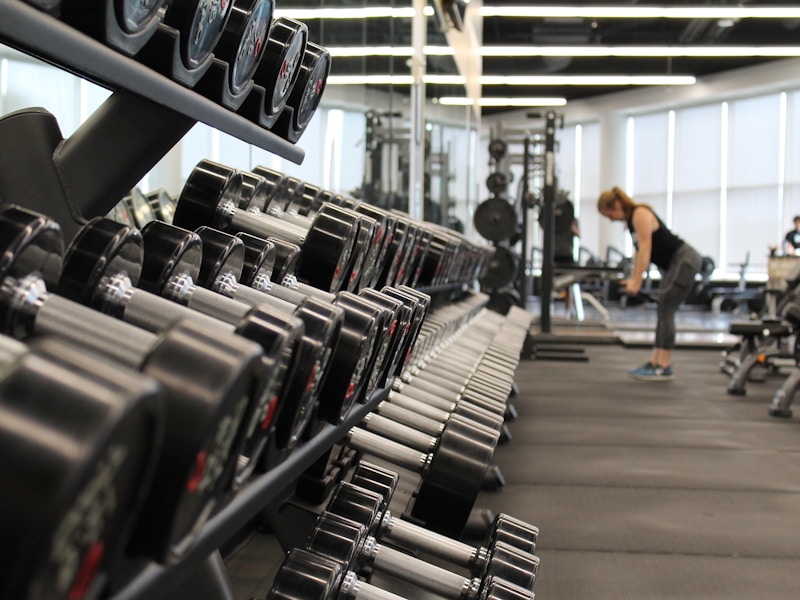
Yes — and the evidence is robust. Exercise is one of the most well-validated non-pharmacological interventions for managing cravings and supporting recovery. Aerobic exercise — running, cycling, swimming, fast walking — triggers the release of endorphins, dopamine, serotonin, and brain-derived neurotrophic factor (BDNF). Dopamine and endorphins provide a natural mood lift and reward-system activation that partially compensates for the dopamine deficit experienced in early sobriety. BDNF supports neuroplasticity — the brain's ability to form new connections and recover from alcohol-related damage. Studies show that a single bout of moderate-intensity exercise can reduce craving intensity measurably for up to two hours afterwards. Regular exercise over weeks and months has been shown to reduce craving frequency, improve mood, reduce anxiety, improve sleep quality, and increase the likelihood of sustained sobriety. Even a ten-minute walk is enough to shift the neurochemical environment meaningfully. If you do nothing else for your recovery, exercise daily.
What role does nutrition play in managing cravings?
Nutrition is consistently underrated in recovery discussions. Heavy drinking depletes critical nutrients — B vitamins (particularly thiamine, B6, and folate), magnesium, zinc, vitamin C, and omega-3 fatty acids — all of which are essential for neurotransmitter production and nervous system function. Deficiencies in these nutrients worsen anxiety, depression, sleep disruption, and craving intensity. Blood sugar instability — common in early recovery, particularly for people who drank heavily and ate poorly — creates a physiological state that closely mimics and amplifies craving. Eating regular, protein-rich meals stabilises blood sugar and significantly reduces cravings for many people. Specific supplements widely recommended in early recovery include a B-complex vitamin (essential for nervous system recovery), magnesium (helps reduce anxiety and improve sleep), vitamin C (antioxidant support for liver recovery), and omega-3 fatty acids (anti-inflammatory and neuroregenerative). Discuss supplementation with your GP or a nutritionist familiar with alcohol recovery.
How do I handle cravings in social situations where alcohol is present?
Social situations involving alcohol are among the most challenging craving environments in early recovery, because they combine multiple triggers simultaneously — environmental cues, social pressure, sensory exposure, and often the emotional complexity of wanting to belong. Several strategies help. Have a plan before you arrive: know what you will drink, what you will say if offered alcohol, and how you will exit if you need to. Arrive with a non-alcoholic drink already in hand — this eliminates the awkward moment of being offered alcohol and significantly reduces social pressure. Identify at least one person at the event who knows you are not drinking and can support you. Have an exit strategy: you do not need a dramatic reason to leave. "I have an early start" works perfectly. In the very early weeks of sobriety, it is completely reasonable to avoid situations where alcohol is heavily present until you have built sufficient resilience. Protecting your early recovery is not avoidance — it is strategy.
Can medications help reduce alcohol cravings?
Yes. Naltrexone is the most well-evidenced medication for reducing alcohol cravings. It works by blocking opioid receptors in the brain, reducing the euphoric and rewarding effects of alcohol and dampening the anticipatory craving that precedes drinking. Clinical trials show it reduces drinking frequency, reduces the amount drunk per occasion, and increases the percentage of abstinent days. It can be taken as a daily tablet or as a monthly injection (Vivitrol). Nalmefene (Selincro) similarly blocks opioid receptors and is specifically licensed for people who want to reduce their drinking rather than stop completely — it is taken as needed before situations where drinking is likely. Acamprosate reduces the anxiety and dysphoria associated with alcohol withdrawal and cravings, working by stabilising the GABA/glutamate balance disrupted by chronic alcohol use. It is most effective for people whose cravings are primarily anxiety-driven. All three require a prescription and work best in combination with psychological support.
What is cue exposure therapy and does it work for alcohol cravings?
Cue exposure therapy (CET) is a behavioural treatment in which people are systematically and repeatedly exposed to alcohol-related cues — seeing a drink, holding a glass, being in a drinking environment — without drinking. The theory, grounded in classical conditioning research, is that repeated exposure to the cue without the expected reward (the drink) gradually weakens the conditioned craving response through a process called extinction. Research on CET for alcohol specifically shows mixed results: some studies demonstrate meaningful craving reduction, while others show limited transfer from the therapy context to real-world settings. CET is more effective when the exposure practice happens in varied real-world environments rather than just in a clinical setting. Modern adaptations — including virtual reality-based cue exposure — show promising early results. CET is typically used as one component of a broader CBT-based programme rather than as a standalone treatment.
What is the difference between a craving and a habit?
Cravings and habits are related but distinct. A habit is an automatic behaviour that has become the default response to a specific context — you drink a glass of wine when you start cooking dinner because you have done it a hundred times before, and the behaviour now occurs with minimal conscious thought. A craving is the subjective urge — the felt desire — that often accompanies or precedes habitual behaviour. Not all habits involve strong cravings (you might habitually pour a drink without particularly craving one), and not all cravings are habit-driven (a craving can arise from stress or emotion without a specific contextual cue). This distinction matters for treatment. Habit-driven drinking responds well to habit substitution — replacing the alcohol-associated behaviour with a different behaviour in the same context. Craving-driven drinking often needs more intensive neurological intervention — medication, mindfulness-based approaches, or exercise — to address the underlying reward-circuit activation.
How do I manage cravings without replacing alcohol with another addictive substance?
Cross-addiction — replacing alcohol with another substance or behaviour — is a real and documented phenomenon. The neurological reward circuitry implicated in alcohol dependence does not disappear when you stop drinking. It remains sensitised and can attach itself to other sources of intense stimulation: sugar, gambling, cannabis, prescription medications, sex, or high-risk behaviour. Managing this risk requires awareness and intentionality. Be honest with yourself about whether substitutes are becoming compulsive. Use non-chemical craving management strategies as your primary tools: exercise, connection, sleep, mindfulness, and meaningful activity. If you find yourself bingeing on sugar or increasingly drawn to another substance, raise it with your therapist or support network. The goal of recovery is not to transfer dependence — it is to rebuild a life where the underlying voids that alcohol was filling are addressed at their root.